Mahatma Gandhi: The Icon of Peace and Non-Violence - A Tribute
Mohandas Karamchand Gandhi, affectionately known as Mahatma (Great Soul), stands as one of history's most compelling figures. He was more...
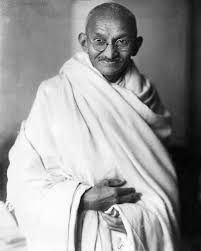
Mohandas Karamchand Gandhi, affectionately known as Mahatma (Great Soul), stands as one of history's most compelling figures. He was more than a political leader; he was a moral beacon whose life became a testament to the transformative power of non-violence and truth (Satyagraha). His sacrifice and the movements he spearheaded not only secured India's independence but also laid a foundational philosophy for social and political change that continues to inspire movements for justice globally.
The Unwavering Sacrifice
Gandhi's life was a continuous act of personal sacrifice, willingly undertaken for a greater cause. His commitment to non-violence (Ahimsa) was absolute, demanding immense self-discipline and courage. He repeatedly faced imprisonment, physical hardship, and the constant threat of violence, yet he never wavered from his principles.
The Practice of Satyagraha
The core of his sacrifice lay in Satyagraha, often translated as 'truth force' or 'soul force'. It was a revolutionary method of resistance that demanded the resister endure suffering without inflicting it on the opponent. This approach was deeply rooted in self-purification and a belief in the inherent goodness of all people.
Gandhi called upon his followers to:
Embrace poverty and simplicity - He rejected Western material comforts, adopting the simple hand-spun cloth (khadi) as a symbol of self-reliance and resistance to British economic exploitation. His ashrams were centers for communal living and rigorous ethical practice.
Fast unto death - He used fasting as a powerful tool for self-purification and moral persuasion, often to halt communal violence or to challenge injustice, risking his own life to appeal to the conscience of the nation and its rulers.
Court arrest willingly - By openly defying unjust laws and willingly accepting the punishment, Gandhi exposed the moral bankruptcy of the colonial regime and drained the state of its moral authority.
His sacrifice was not only political but deeply personal—a commitment to live the change he wished to see in the world, making his life a powerful, living message.
Transformative Movements and Milestones
Gandhi's impact is indelibly etched in the history of several groundbreaking movements that shaped the struggle for freedom and human dignity.
South African Beginnings (1893-1915)
Gandhi's political awakening began in South Africa, where he initially went as a lawyer. Witnessing the blatant racial discrimination against the Indian community, he developed and first applied the technique of Satyagraha. Key movements included:
Protesting the Asiatic Registration Bill (The "Black Act"): This was a seminal moment where non-violent resistance was successfully deployed against discriminatory laws, leading to Gandhi's first arrests.
The Phoenix Settlement and Tolstoy Farm: These communal living experiments were established to train Satyagrahis in self-sufficiency, non-violence, and simple living.
The Indian Freedom Struggle
Returning to India, Gandhi quickly became the undisputed moral and political leader, channeling the masses' discontent into organized, peaceful resistance.
1. Non-Cooperation Movement (1920-1922)
Following the horrific Jallianwala Bagh massacre, Gandhi launched the first nationwide movement against British rule. It called for:
Surrendering British titles and honors.
Boycotting schools, courts, and legislative councils.
Promoting Swadeshi (indigenous goods), especially khadi.
This movement successfully brought the fight for independence from the educated elite to the villages, transforming it into a mass struggle.
2. The Dandi March (Salt Satyagraha) (1930)
This iconic act of defiance against the British salt tax perfectly exemplified Satyagraha. The tax prohibited Indians from collecting or selling salt, a basic necessity.
Gandhi led thousands on a 240-mile walk to the sea to symbolically and literally make salt, thereby breaking the unjust law.
The march galvanized the entire nation and drew unprecedented global attention to the oppression of British rule, making the colonial government look tyrannical and petty.
3. The Quit India Movement (1942)
With the world engulfed in war, Gandhi launched the final, decisive call for the British to leave India, using the rallying cry "Do or Die". This movement involved mass civil disobedience, strikes, and protests across the country. Though many leaders, including Gandhi, were imprisoned, the movement demonstrated the unwavering resolve of the Indian people for complete independence and severely weakened the British hold on power.
A Legacy of Enduring Inspiration
Mahatma Gandhi's movements were not mere political campaigns; they were a spiritual revolution that asserted the power of the soul over brute force. He proved that an unarmed people, unified by moral conviction, could overcome the might of an empire.
His philosophy of non-violence has transcended national borders, becoming the foundational influence for leaders like Martin Luther King Jr. in the American Civil Rights Movement and Nelson Mandela in the anti-Apartheid struggle in South Africa.
Gandhi's sacrifice—his dedication to truth, non-violence, and service—remains an eternal flame of hope. He taught us that true freedom is not just political liberation but the liberation of the spirit from fear and hatred. His life is a profound lesson that the most potent weapon in the fight for justice is the moral courage to love your adversary and suffer for the truth. He truly earned the title: The Icon of Peace and Non-Violence.